The Ultimate Event Planning Template: Your Master Wedding Timeline
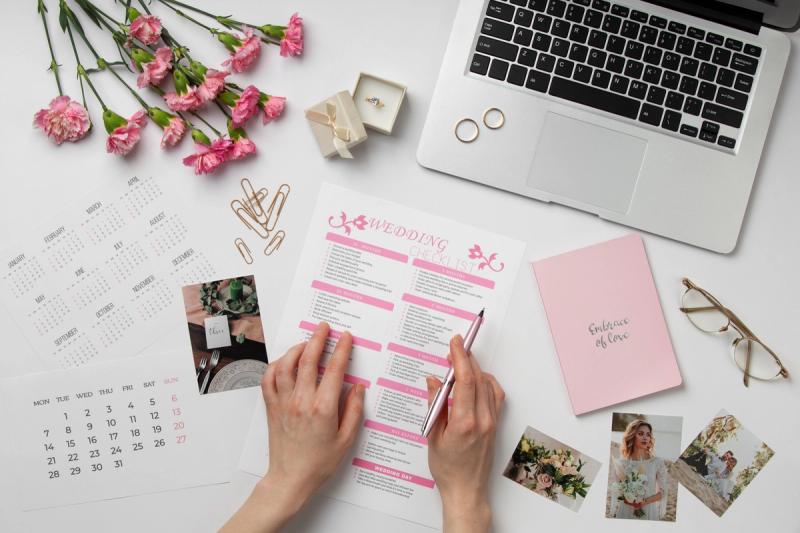
Most wedding templates are great at telling you what to do, but they leave out the most important part: when to do it. In weddings, a perfect plan without a timeline is just a wish list.
This isn’t just another checklist. It’s a step-by-step roadmap built for real-world wedding logistics. We’ve broken down the "must-dos" into a clear timeline so you can stop worrying about what you might be forgetting and actually enjoy being engaged.
Why a time‑based roadmap is essential for success
Logistics over guesswork
Great weddings don’t come together by luck. They’re built by hitting very specific milestones at the right time.
Miss a vendor booking window? Your top choice is gone. Underestimate dress production lead times? You’re paying rush fees, or compromising on style. Wait too long on hotel planning? Your guests end up scattered across the city.
A time‑based roadmap removes guesswork and replaces it with clarity. You always know what deserves your attention right now and what can wait.
The Room Blocks by Engine advantage
We’ve organized this template into six strategic phases to take you from "Yes!" to "I Do" without the meltdown:
- Foundation & feasibility
- Building your core vendor team
- Locking logistics and layouts
- Final confirmations and contingencies
- Week‑of coordination
- Day‑of execution
Instead of juggling dozens of tasks at once, you move through planning with intention and momentum.
How to use the stage‑based tabs
Step 1: Identify your current stage Find the tab that matches how far out you are from your wedding date.
Step 2: Focus only on that tab Ignore everything else. The checklist is designed to prevent overwhelm by narrowing your focus to what actually matters right now.
Step 3: Use the built‑in buffer weeks Every stage includes buffer time to handle vendor delays, decision fatigue, and the unexpected curveballs that always show up.
The interactive timeline template
The timeline is built as a single, structured spreadsheet designed to function like a command center, not a loose checklist.
Instead of jumping between documents, everything lives in one place, with clear columns that tell you exactly what’s happening, who owns it, and what’s next.
Each task is tracked across:
- Task: The exact action required
- Status: Not started, in progress, blocked, or complete
- Who’s in Charge: You, your partner, planner, or a specific vendor
- Stage: Pre-event, mid-planning, or final execution
- Due Date: Time-coded to your wedding date
- Notes: Context, decisions, and follow-ups
- Budget/Cost: Real numbers tied to each decision
- Vendor / Contact: Names, emails, and companies
- Priority: So urgent items never get buried
- Links / References: Contracts, inspiration, confirmations
How the stages work inside the sheet
Rather than separate documents, the spreadsheet uses stage-based filters and tabs so you only see what’s relevant to your timeline.
Stage 1: The foundation
Early rows focus on high-impact decisions like:
- Setting and locking your overall budget
- Choosing your wedding date (with backup options)
- Booking your venue
- Purchasing wedding insurance
- Building your preliminary guest list
These rows create the structure everything else depends on.
Stage 2: The core team
This is where the sheet fills quickly and why structure matters.
Tasks here include:
- Booking key vendors (photographer, caterer, DJ/band, officiant)
- Researching and ordering your dress or suit
- Reserving hotel room blocks for out-of-town guests
- Creating your wedding website and registry
Every item has a clear owner, deadline, and status so nothing stalls.
Stage 3: Final logistics
Later stages shift from booking to coordination:
- Finalizing the guest list and seating logic
- Marriage license requirements
- Vendor confirmations and timelines
- Drafting and locking the final run-of-show
By this point, the spreadsheet acts as a live execution tracker.
Mockup Placement: A high-resolution preview of the spreadsheet interface appears here, showing the task list, status tags, and planning columns in action.
Key milestones you can’t afford to miss
The 9‑month mark
This is a non‑negotiable window.
- Book your photographer before calendars fill
- Order your wedding dress to avoid rush fees
- Begin hotel room block planning so guests have options
Waiting here almost always costs more financially and emotionally.
The 3‑month pivot
This is where planning changes gears.
You move from buying and booking to logistics and layouts:
- Confirming vendor details
- Finalizing timelines
- Locking guest counts and room needs
This pivot is what separates calm couples from overwhelmed ones.
The 30‑day countdown
Execution mode begins.
- Final headcounts due
- Vendor arrival schedules confirmed
- Seating charts locked
- Emergency kits and backup plans prepared
Everything should be documented, shared, and double‑checked.
Stop guessing. Start executing your wedding plan
Wedding planning doesn’t have to feel chaotic.
When you have a clear roadmap, stress turns into a sequence of manageable steps. You stop reacting and start leading your planning process with confidence.
Take control of your event. Download the Room Blocks by Engine Wedding Planning Timeline Checklist today.
Disclaimer
These templates are provided for general informational purposes only and do not constitute legal, financial, tax, HR, or compliance advice. Roomblocks by Engine makes no representations or warranties of any kind, express or implied, regarding the accuracy, completeness, or suitability of these templates for any particular purpose or business. Use of these templates is at your own risk. Roomblocks by Engine disclaims all liability for any damages, losses, or claims arising out of or related to your use of or reliance on these templates. You should consult qualified legal or professional counsel before implementing any template in your business.
